

Overview
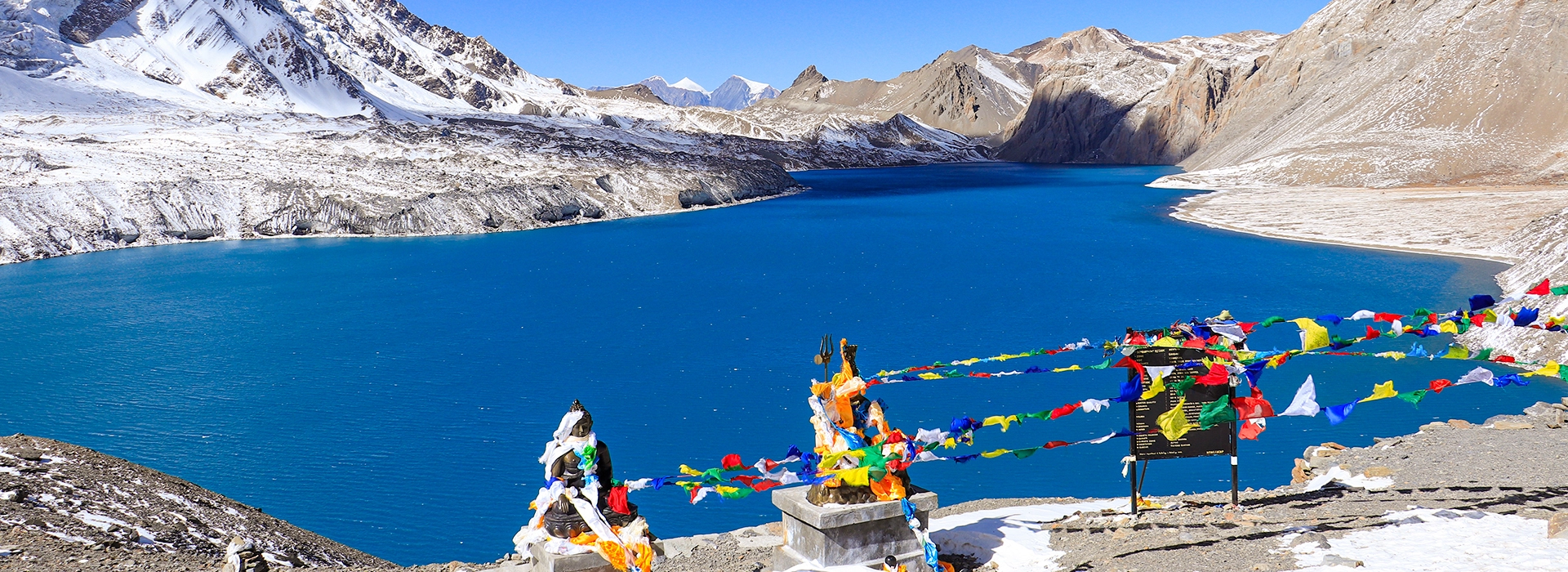
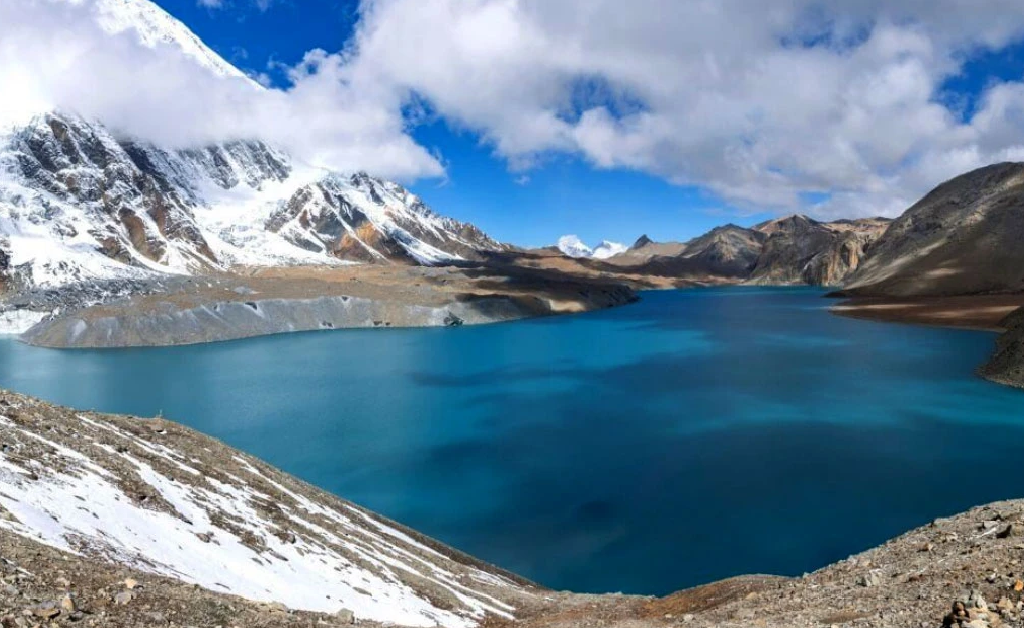
The Tilicho Lake Trek is one of the most spectacular and challenging high-altitude treks in the Annapurna region of Nepal, offering trekkers the chance to visit the world’s highest freshwater lake, Tilicho Lake, situated at 4,919 meters. This trek combines rugged mountain landscapes, alpine meadows, glacial rivers, and traditional villages, making it a favorite for adventure enthusiasts and those seeking a less-crowded Himalayan experience.
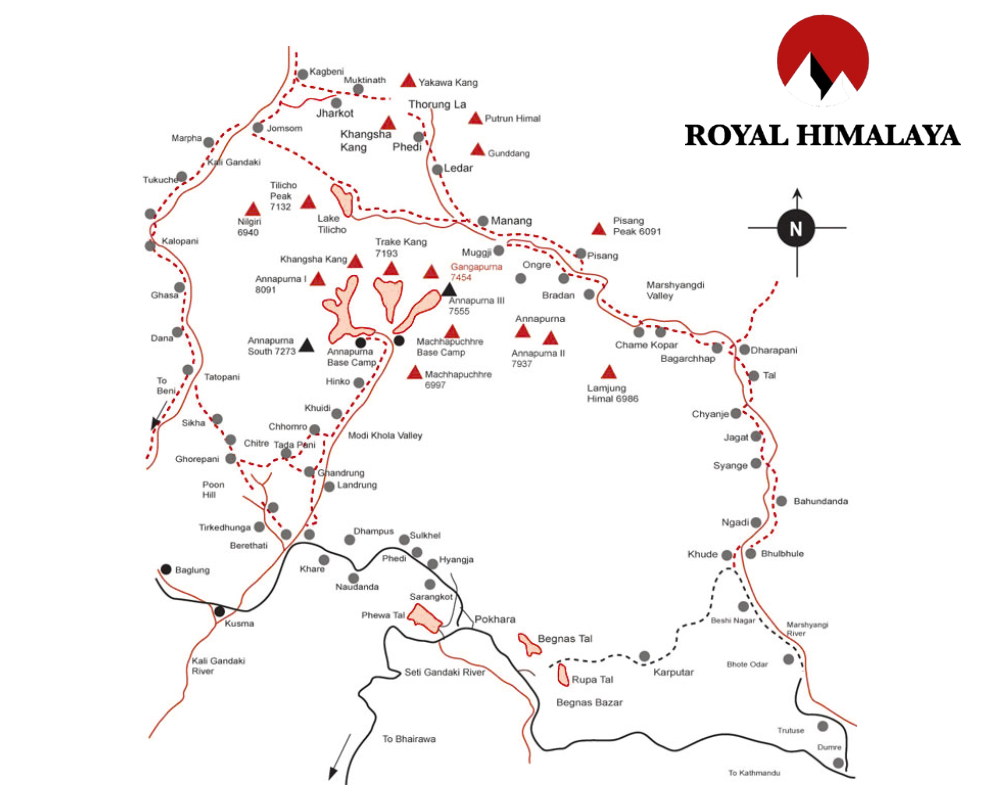
The trek usually follows the Annapurna Circuit route up to Manang, then diverts toward Tilicho Base Camp and Tilicho Lake. Along the way, trekkers pass through charming Gurung and Tibetan-influenced villages, traverse high mountain passes like Mesokanto La (5,416 m), and witness panoramic views of Annapurna, Dhaulagiri, Machhapuchhre, Gangapurna, and other Himalayan giants. The trail also offers a mix of challenging ascents, rocky terrains, and high-altitude alpine landscapes, which makes it a trek suited for moderately experienced trekkers with good physical fitness.
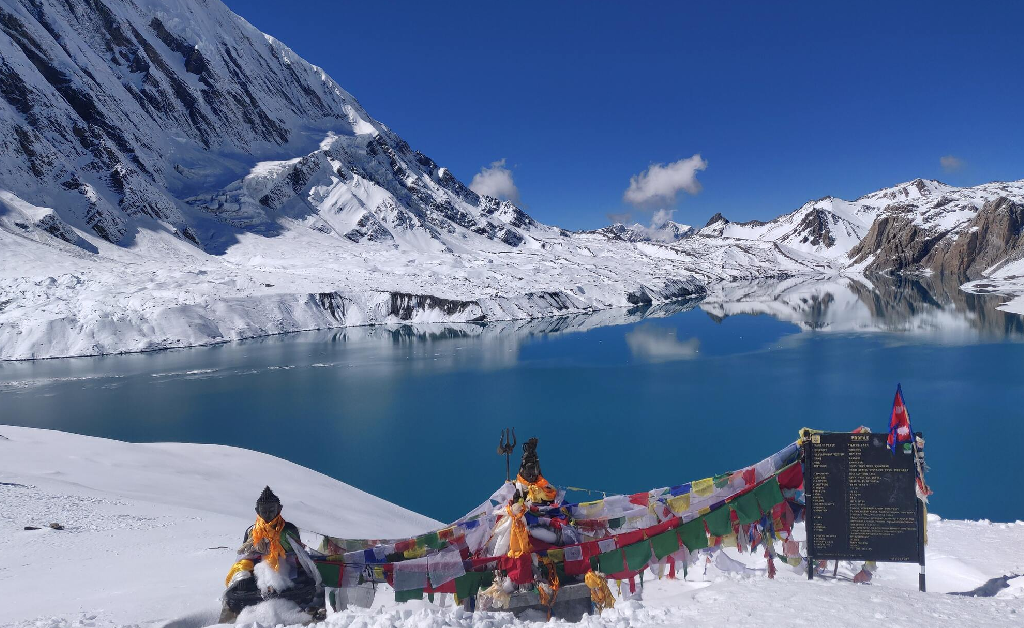
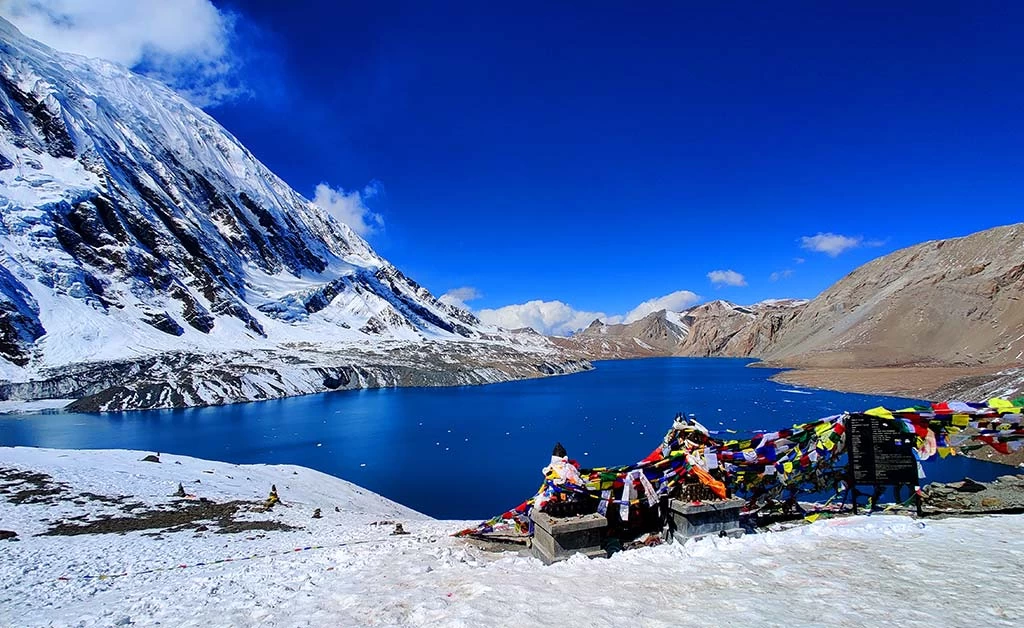
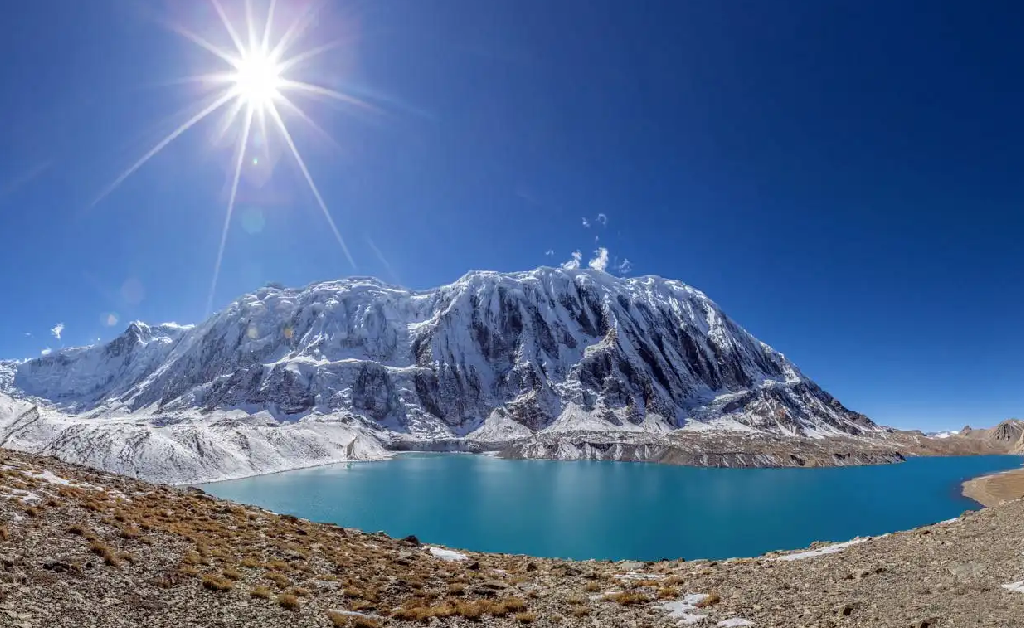
Tilicho Lake itself is a pristine turquoise gem surrounded by towering peaks and snowfields. The trek is not just about natural beauty; it also offers opportunities to experience the culture of highland communities, interact with locals, and enjoy the serenity of one of the most remote corners of Nepal. The trek typically takes 10–14 days and is best attempted during spring (March–May) and autumn (September–November), when the weather is stable, skies are clear, and the lake is fully visible. Overall, the Tilicho Lake Trek is a perfect choice for adventurers seeking breathtaking scenery, high-altitude challenges, and a true Himalayan experience away from the crowds.
Itinerary
Your Tilicho Lake Trek begins the moment you land in Kathmandu, the vibrant capital of Nepal, where the sounds of honking vehicles, the aroma of traditional spices, and the warm Himalayan atmosphere set the tone for your adventure. After completing airport formalities, you are transferred to your hotel where you meet your trekking guide for a full briefing about the upcoming 12-day journey. The guide explains essential information about altitude gain, possible challenges, weather conditions, emergency rescue procedures, and the Tilicho Lake route. Necessary permits such as ACAP and TIMS are prepared, and your trekking equipment is checked thoroughly to ensure you have warm clothing, proper boots, gloves, trekking poles, purification tablets, and everything needed for a safe high-altitude trek. Later, you may walk around Thamel, explore its lively shops, mountaineering gear stores, café culture, Tibetan handicrafts, and enjoy your first taste of Nepali cuisine. The rest of the evening is spent relaxing and preparing for the long drive to Jagat the next morning.
Your adventure starts early as you leave Kathmandu and drive along the Prithvi Highway, following the Trishuli River through lush hills and rural landscapes. Gradually, the city noise disappears, replaced by terraced fields, forested hillsides, and scattered villages. After passing through Mugling and Dumre, the road diverts toward Besisahar, marking the entrance to the Annapurna region. From Besisahar onward, the smooth highway transforms into an off-road adventure with bumpy, dusty, and narrow trails carved alongside cliffs. The jeep continues through small settlements such as Syange and Chamje, offering dramatic views of waterfalls, deep gorges, and the powerful Marshyangdi River. Every twist of the road brings you closer to the heart of the Himalayas. By late afternoon, you arrive in Jagat, a quiet stone-paved village surrounded by rocky hills and greenery. After settling into a teahouse, you enjoy a warm meal and rest, preparing for the upcoming trekking days.
Today marks your first real trekking experience. The trail descends to the Marshyangdi River and gradually climbs toward Chamje, passing through lush forests and walking beside the roaring river. The path continues toward Tal, one of the most scenic villages in the region, where the Marshyangdi River spreads into a calm flat valley. Surrounded by stone houses and stunning cliffs, Tal feels like a peaceful Himalayan oasis. After lunch, the trail climbs slowly through forests, crossing suspension bridges and passing small settlements before reaching Dharapani, a culturally rich village that marks the official entry point to Manang district. Tibetan-style houses, prayer wheels, and fluttering prayer flags become more common as you enter the high Himalayan region.
Today’s journey leads through dense pine forests, riverside trails, and charming villages such as Bagarchhap and Danaque. The air becomes cooler as you gain altitude, and the scenery shifts from green hills to snowy peaks. Along the trail, you pass apple orchards, mani walls, and traditional homes adorned with Buddhist decorations. As you continue climbing, spectacular views of Lamjung Himal and Annapurna II appear in front of you. By afternoon, you reach Chame, the administrative center of Manang district, known for its hot springs, peaceful atmosphere, and stunning surroundings. The cold Himalayan wind becomes noticeable here, and the mountain views from the village are unforgettable.
The trek continues along the Marshyangdi River, gradually entering a more open valley. One of the major highlights of this day is Paungda Danda, an enormous curved rock wall that rises dramatically above the river—one of the most unique geological formations in Nepal. As you move closer to Pisang, the landscape becomes increasingly rugged, with snow-covered peaks, dry forests, and silent Himalayan air. You can choose to stay in Lower Pisang or Upper Pisang, with the upper village offering truly breathtaking views of Annapurna II, Annapurna IV, and Pisang Peak. The culture, architecture, and lifestyle here show a strong Tibetan influence.
This day offers two trail options: the lower route, which is easier, and the upper route, which is longer but far more rewarding. Most trekkers choose the upper route as it passes through Ghyaru and Ngawal—ancient hillside villages with panoramic views of Annapurna II, III, IV, Tilicho Peak, and the vast Manang Valley. The high route is one of the most scenic sections of the entire Annapurna region. As you approach Manang, the landscape becomes drier and wider, reflecting the rain-shadow effect. Manang itself is a beautiful high-altitude village with Buddhist monasteries, bakeries, traditional homes, and friendly locals living in harmony with the mountains.
Today is reserved for acclimatization, a crucial part of high-altitude trekking. Instead of resting the whole day, you take short hikes to places like Gangapurna Lake viewpoint, Bhojo Gompa, or even Ice Lake if you want a challenge. These hikes help your body adjust to the thinner air, reducing the risk of altitude sickness. Manang also offers unique cultural experiences—visiting monasteries, interacting with locals, trying yak cheese, or relaxing in cozy mountain cafés. The day ends with preparation for the Tilicho Lake trail ahead.
Leaving the main Annapurna Circuit trail, you now trek toward Khangsar, the gateway to Tilicho Lake. The trail climbs gradually through a rocky landscape, passing Tare Gompa and old Buddhist shrines. The terrain becomes more barren, with strong winds and a dry climate typical of the high Himalayas. Khangsar is an ancient, fortified village where traditional stone houses, narrow alleys, and prayer walls reflect the pure Manang culture untouched by modern changes.
This day is thrilling and scenic as you hike along narrow trails carved into steep cliffs. The route is dramatic, with deep gorges below and towering peaks above. You pass through landslide-prone rocky sections, which require careful walking, but the views of Tilicho Peak and surrounding mountains are spectacular. Tilicho Base Camp is cold, windy, and minimalistic with only a few teahouses. Trekkers rest early here, preparing for the early-morning climb to the lake.
Today is the most rewarding and challenging day. You start early around 4–5 AM to avoid strong afternoon winds. The trail climbs steeply through rocky terrain, but as the sun rises, the mountains turn golden and the entire landscape glows. After a tough ascent, you finally reach Tilicho Lake, one of the highest and most stunning lakes in the world. Its crystal-blue water, surrounded by towering snowy peaks, creates a peaceful and spiritual atmosphere. After spending memorable moments at the lake, you descend carefully back to Base Camp and continue toward Khangsar or Yak Kharka depending on your pace.
Descending feels easier as the air becomes thicker and warmer. You retrace your steps through familiar landscapes, crossing streams, forests, and old villages. The views are refreshing and the trek feels lighter compared to the high-altitude challenges of previous days. You reach Manang or Yak Kharka and enjoy a comfortable evening with warm meals.
On the final day, you take a jeep back through the Marshyangdi Valley toward Besisahar and continue along the Prithvi Highway to Kathmandu. The long drive allows you to reflect on your unforgettable journey—the rugged cliffs, icy lakes, cultural villages, and majestic Himalayan peaks. By evening, you arrive in Kathmandu, marking the successful completion of your Tilicho Lake Trek.
Tilicho Lake Trek is considered a moderate to challenging trek. The trails are not extremely steep, but the high altitude, long walking hours, and rocky paths near Tilicho Base Camp make it more demanding. With proper preparation and a good guide, most trekkers complete it safely.
The highest point is Tilicho Lake at 4,919 meters. Because of this height, trekkers need to walk slowly, stay hydrated, and follow proper acclimatization.
Prior experience is helpful but not compulsory. Anyone with good fitness, regular walking habits, and a positive mindset can complete the trek. Your guide will support you throughout the journey.
The best seasons are:
Autumn (September–November)
Spring (March–May)
These months offer stable weather, clear mountain views, and comfortable trekking conditions.
Most days involve 5–7 hours of walking. However, the day to Tilicho Lake can take 8–9 hours due to altitude and rocky trails.
You will stay in teahouses during the trek. Rooms are simple with twin beds, warm blankets, and basic facilities. Hot showers, Wi-Fi, and charging are available in some places with extra cost.
ESSENTIALS
Ensure you have all the essentials to make your trip safe and enjoyable.
Our Testimonials