

Overview
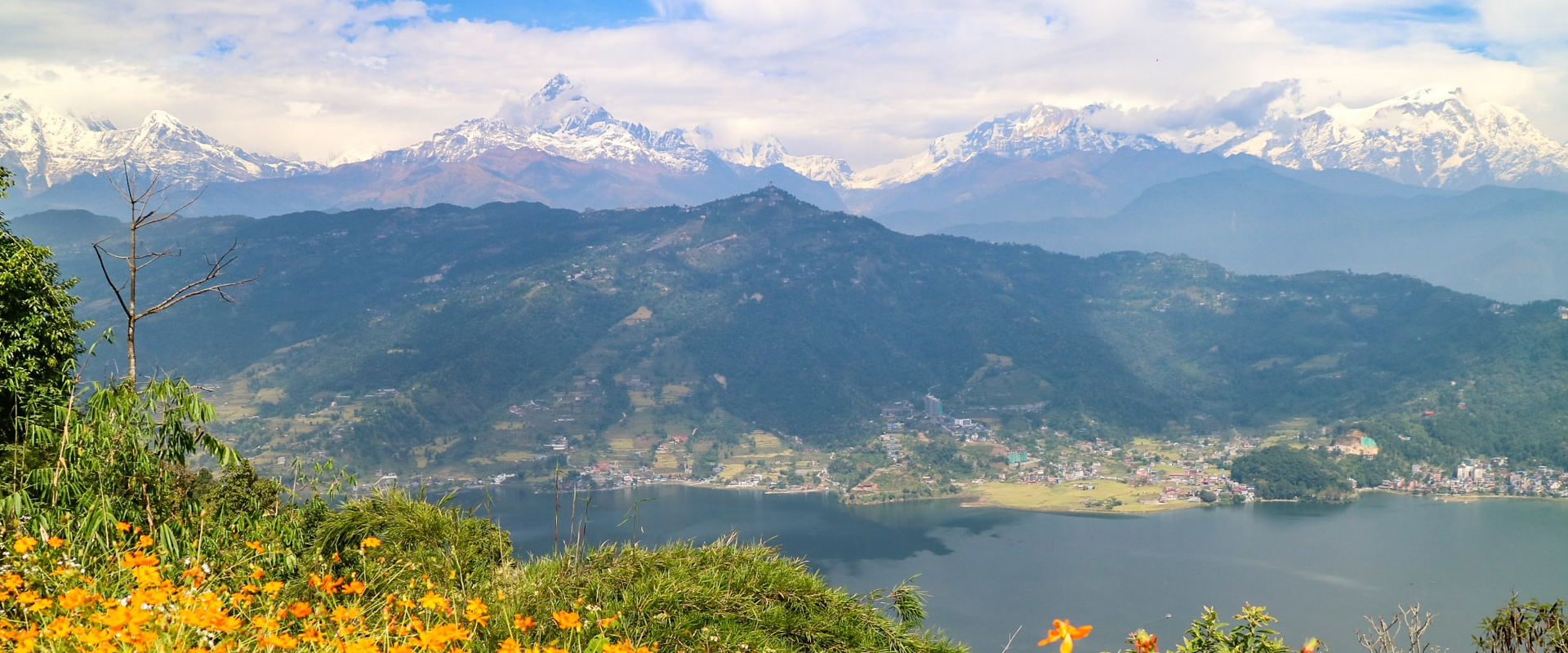
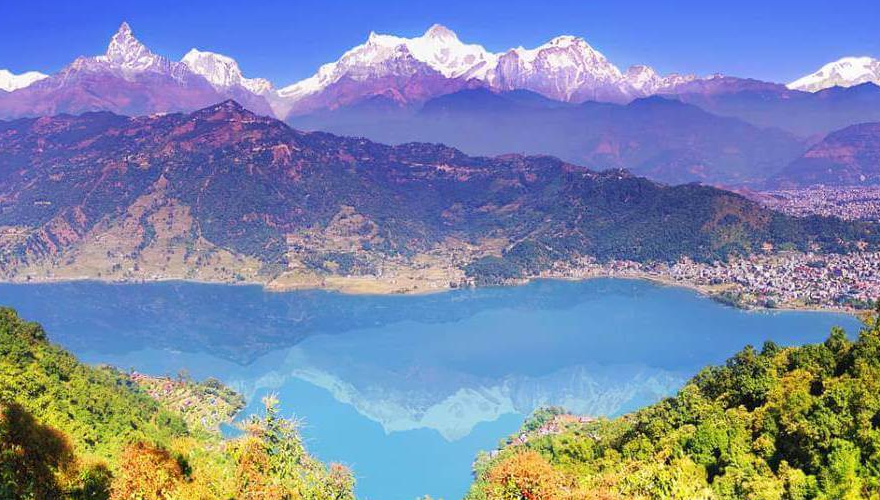
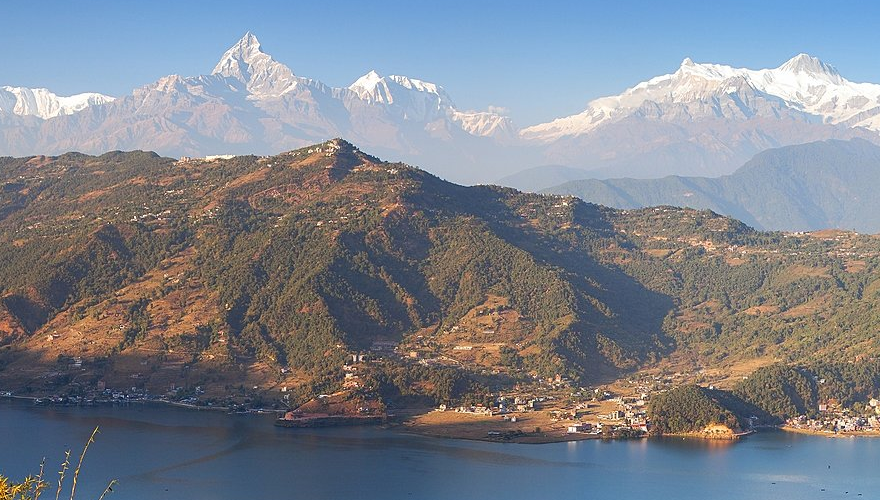
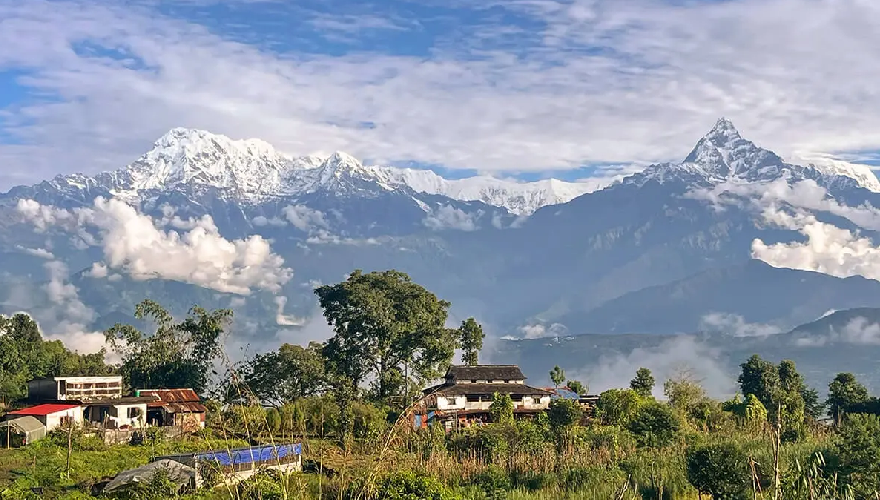
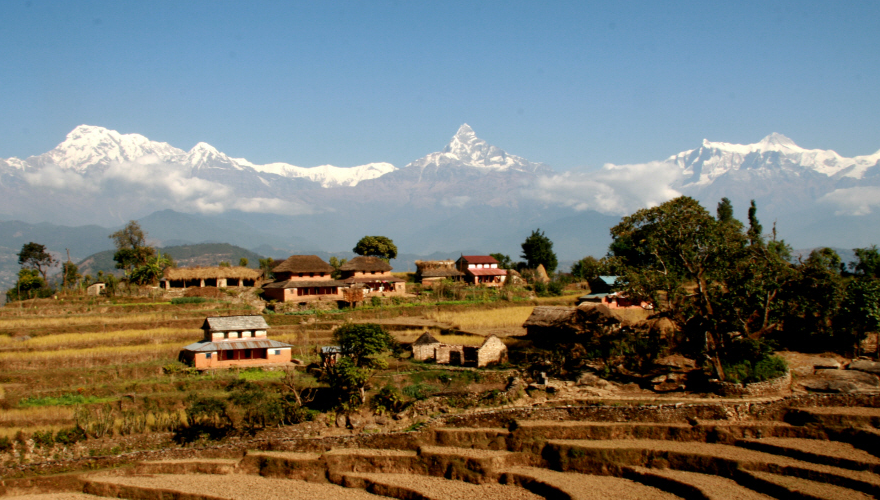
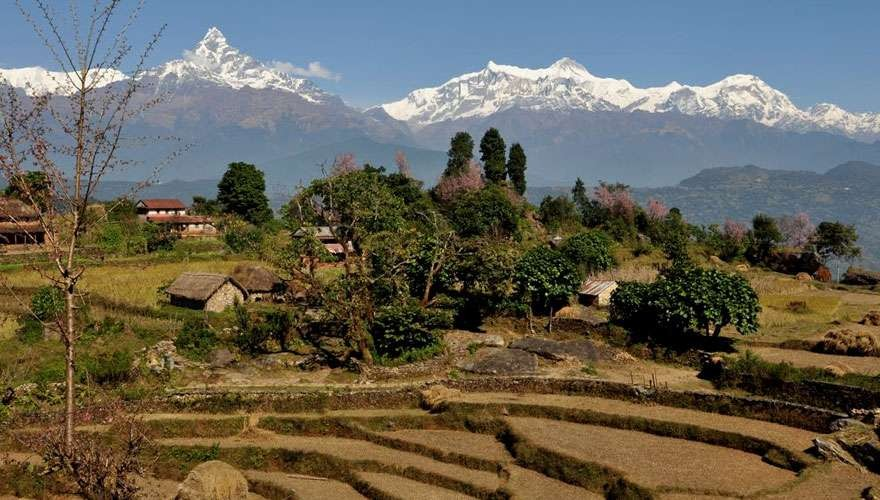
The Panchase Trek is a serene and less-crowded trekking route in the Pokhara region of Nepal, offering stunning views of the Annapurna and Dhaulagiri mountain ranges along with glimpses of Fewa Lake and Pokhara Valley. Unlike the more popular treks, Panchase provides a peaceful, off-the-beaten-path experience, passing through traditional Gurung and Magar villages, terraced farmlands, dense forests, and panoramic viewpoints.
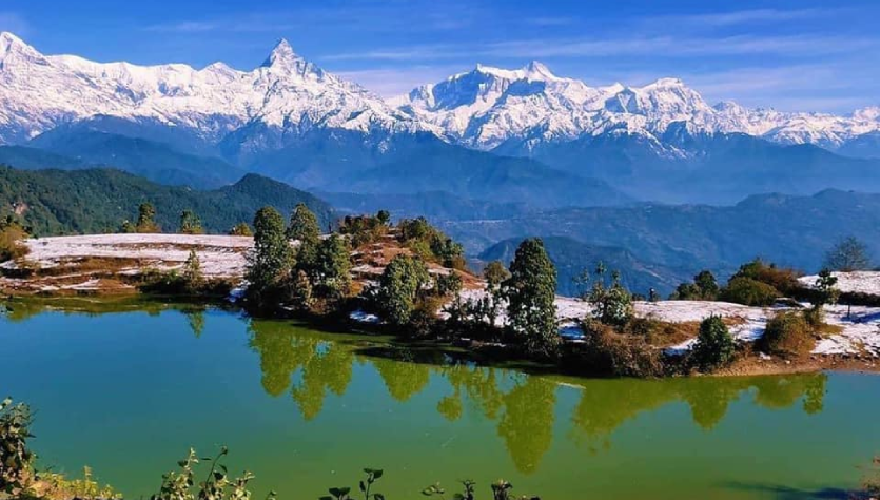
The trek is famous for its 360-degree Himalayan panoramas from Panchase peak (2,190 m), where trekkers can enjoy sweeping views of Annapurna, Machhapuchhre (Fishtail), Dhaulagiri, and the surrounding valleys. The trail is rich in biodiversity, including rhododendron, pine, and oak forests, and provides excellent opportunities for birdwatching. Cultural experiences are abundant as the route passes through small villages, allowing trekkers to interact with local communities and observe traditional lifestyles.
The Panchase Trek is moderate in difficulty, making it suitable for beginners, families, and those with limited trekking experience. It can typically be completed in 4 to 6 days, depending on the chosen route and pace. The best times to trek are spring (March–May) and autumn (September–November) when the weather is clear, and mountain views are spectacular. Overall, the Panchase Trek is ideal for travelers seeking a short, scenic, and culturally rich trekking experience near Pokhara.
Itinerary
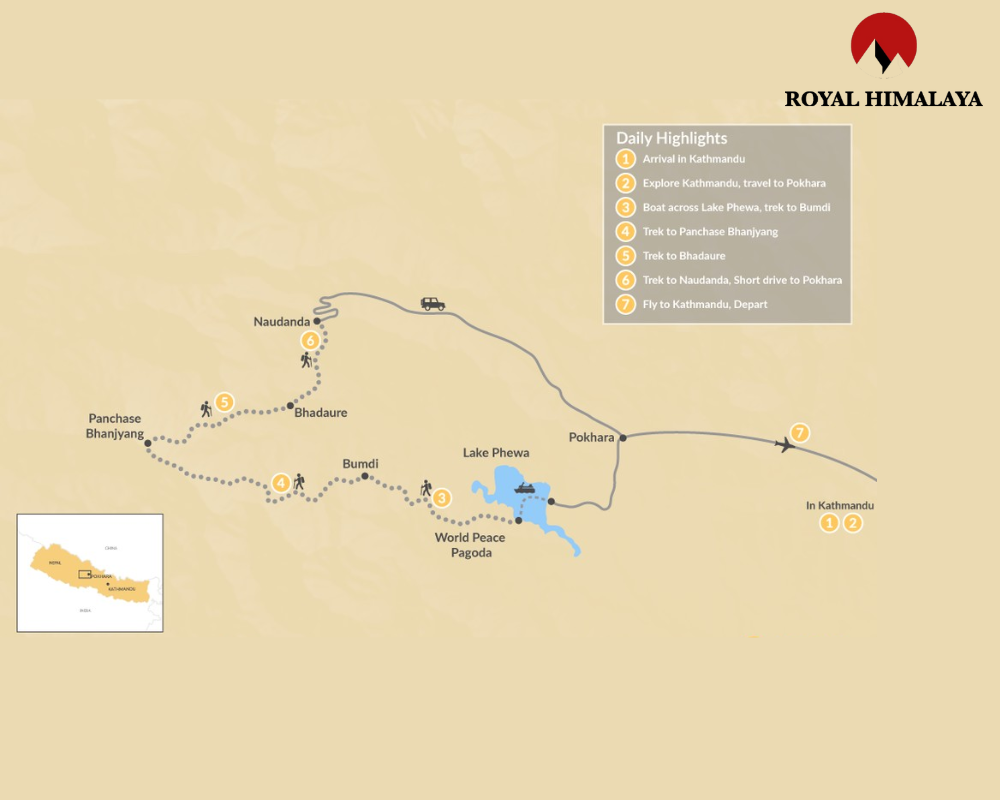
Drive from Pokhara to Kande and begin your trek. The trail gradually climbs through forests and local villages, with panoramic views of Fewa Lake and the surrounding valleys. Reach Australian Camp, a popular viewpoint offering stunning sunset views. Overnight in a teahouse.
Trek through dense rhododendron and oak forests while ascending to Deurali. Continue to Panchase Base Camp, enjoying scenic Himalayan views along the way. Overnight at a community lodge or teahouse.
Early morning hike to Panchase Peak for spectacular 360-degree views of Annapurna, Dhaulagiri, Machhapuchhre, and Pokhara Valley. After enjoying the sunrise and photography, descend back to Deurali for an overnight stay.
Descend through quiet villages and terraced farmlands to reach Lumle, a beautiful Gurung village known for cultural experiences and friendly locals. Continue to Pothana for overnight stay, surrounded by peaceful rural landscapes.
Trek downhill through forest trails and small settlements, enjoying panoramic valley views. Arrive in Pokhara by afternoon, marking the end of your Panchase Trek.
The Panchase Trek is considered moderate and beginner-friendly. It involves gentle to moderate ascents and descents, making it suitable for beginners, families, and those with basic fitness.
The highest point is Panchase Peak at 2,190 meters, which offers 360-degree panoramic views of Annapurna, Dhaulagiri, Machhapuchhre, and Pokhara Valley.
The best time to trek is:
Spring (March–May) – for blooming rhododendrons and clear views.
Autumn (September–November) – for stable weather and panoramic mountain views.
No prior trekking experience is required. Anyone with moderate fitness can complete this trek comfortably.
Yes, you need an Annapurna Conservation Area Permit (ACAP). Your trekking agency usually arranges this for you.
ESSENTIALS
Ensure you have all the essentials to make your trip safe and enjoyable.
Our Testimonials