

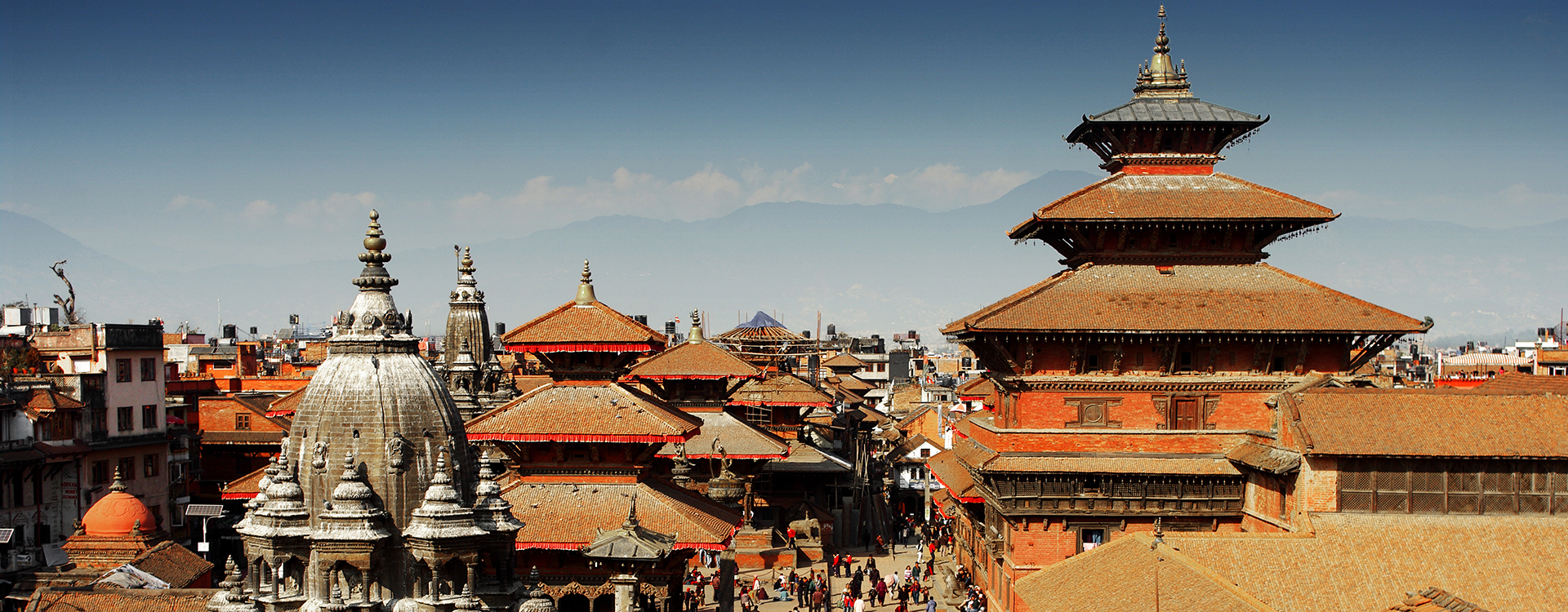
Nepal is a culturally rich country, home to Mount Everest, the birthplace of Lord Buddha in Lumbini, and sacred sites like Pashupatinath Temple. Visitors are encouraged to respect local customs and traditions.
A common greeting is “Namaste,” done by joining the palms and bowing slightly, especially to elders. Politeness is valued, while anger and public displays of affection are discouraged. Always ask permission before taking photos of people or religious places.
Dress modestly, particularly at temples and in rural areas. Remove shoes and hats before entering homes or religious sites and note that leather items are not allowed in most Hindu temples. Use your right hand for eating and giving, as the left hand and feet are considered unclean.
Do not point at sacred objects, walk with stupas and prayer flags on your right, and avoid giving money or sweets to children. Respectful behavior will help ensure a meaningful and enjoyable visit.
 |
 |
 |
 |

Nepal is largely a conservative and traditional society with deep cultural roots in Buddhism, Hinduism, and a complex tribal and caste system. As a result, there are many social customs, beliefs, and taboos that visitors should make an effort to understand and respect. Observing these traditions is not only a sign of good manners but also a way to build trust and meaningful connections with local communities.
Many of these cultural guidelines fall under the broader principles of politeness, humility, and respect. Nepali people generally value calm behavior, soft speech, and patience. Loud voices, aggressive gestures, or confrontational attitudes may be viewed as disrespectful. Showing courtesy to elders, monks, priests, and local community leaders is especially important.
Personal space and modest behavior are highly regarded. Visitors are encouraged to dress conservatively, particularly in rural areas and religious sites, where traditional values are more strongly observed. Public displays of affection between men and women are discouraged and may cause discomfort, even if they are acceptable in other cultures.
A traditional Nepali greeting is “Namaste” (nah-mah-stay) or the more formal “Namaskar.” This is done by pressing your palms together at chest level and bowing slightly. It is especially respectful when greeting elders or religious figures. Always return the greeting in the same manner it is offered.
Elders are held in high regard in Nepali society and should always be treated with visible respect. Patience, calm behavior, and friendliness are highly valued, while public displays of anger or frustration are discouraged.
Public displays of affection between men and women, such as kissing or hugging, are considered inappropriate, particularly in rural areas. However, it is common to see Nepali men walking hand in hand as a sign of friendship. A gentle side-to-side head movement usually means “yes”, not disagreement.
Nepal is generally conservative, so modest dress is encouraged for both men and women. Clothing should cover shoulders, upper arms, and knees. Women are advised to avoid revealing tops or short skirts, especially in villages and religious sites. When visiting temples or monasteries, dress even more conservatively. If swimming, women should wear a one-piece swimsuit.
Both men and women should avoid revealing clothing. Shirts or tops should cover the shoulders and chest, and bottoms should extend at least to the knees. Women are advised to avoid low-cut tops, short skirts, and clothing that exposes the midriff. Wearing loose-fitting clothes is generally more comfortable and respectful.
When visiting temples, monasteries, and other sacred places, dressing modestly is essential. Long pants or skirts and covered shoulders are recommended. Shoes and hats must be removed before entering religious sites or private homes

Always ask permission before photographing people, homes, or religious objects. A smile and a polite gesture toward your camera are usually enough. If someone refuses, respect their decision. If locals request a copy of their photograph, try your best to provide it. Be especially mindful during festivals, rituals, and ceremonies—avoid using flash or intrusive equipment that could disrupt sacred practices.
In crowded markets, streets, or trekking villages, approach your subjects politely and avoid photographing children without parental consent. Photography inside temples, monasteries, or stupas is often prohibited; when in doubt, ask a priest or senior monk. For wildlife and nature photography, maintain a safe distance, follow park regulations, and never disturb animals for a better shot. If you plan to use drones, check local laws, especially near airports, national parks, and heritage sites. Respecting these guidelines ensures that your photography captures Nepal’s beauty while honoring its people, culture, and traditions.
When entering temples, gompas, or Nepali homes, remove your shoes and hats. Leather items such as belts, wallets, or bags are prohibited inside most Hindu temples. Non-Hindus may be restricted from entering certain areas of Hindu temple complexes.
Never point directly at sacred objects or religious artwork. Instead, gesture with your chin or an open hand, palm facing upward.
While walking past mani stones, stupas, chortens, prayer wheels, or prayer flags, always keep the sacred object on your right-hand side and walk clockwise. Sitting or standing on mani stones or stupas is deeply disrespectful.
It is customary to leave a small donation when exiting a temple.
Feet are regarded as unclean in Nepali culture. Never touch people or religious objects with your feet and avoid pointing the soles of your feet toward people or altars. Do not step over someone sitting or lying on the floor. When seated in temples, sit cross-legged or kneel respectfully.
Never turn your back directly toward a religious statue.

As with many nations, there is a culture of haggling in Nepal. If there is a price marked on an object, then it is almost certainly inappropriate to negotiate on the price unless perhaps you are buying many items at once. However, if the price is not marked then you may begin the fine art of haggling. The vendor will quote you a price to begin with, depending on whether you are in the tourist district of a large town or in a village market the starting price may be somewhere from ten to one and a half times the going rate.
At this point you will need to make a judgement call. On the one hand, paying over the odds can drive up expectations and prices generally for everyone including locals. On the other hand, driving the price of a souvenir down by the equivalent of 25 pence will make virtually no difference to you but may change the weekly income of a rural family by a few percent.

Nepal is a developing nation that can struggle to keep up with the influx of tourists. Be aware of the waste you create while on your trek. Try to unwrap new kit and supplies while at home, where it can be properly disposed of. Also, filter your water instead of buying disposable plastic bottles. There is no way for disposable plastic bottles to be recycled in Nepal, and the tourism industry accounts for millions of plastic waste each year.
Do not trash the trail. Pack out your trash or dispose of it in provided waste bins. If you really want to do your part, pick up a few items of trash that you spot along your way. A little goes a long way in protecting a high alpine environment. Try to be conscious of purchasing items with a lot of packaging. Also, don’t ever put trash in the teahouse stoves.
Unfortunately, Nepal has a problem with begging children. Giving them money, treats, pencils, balloons, etc only encourages this behavior.
Nepalese cuisine is heavily influenced by both Tibet and India. Nepali food is simply delicious and there are many different dishes to try while exploring Nepal. A staple meal is Dal Bhat. This savory curried lentil soup is packed with flavor. The dish is served with rice and Takari or curried mixed vegetables. Many Nepalese eat Dal Bhat twice a day. If ordered at a teahouse, expect to be asked if you would like seconds.
Momos, a delicious, steamed dumpling stuffed with meat or veg, are another delicious item on almost every menu in Nepal. While in Kathmandu, give Newari food a try. A traditional tribal culture of Nepal, Newari create complex spicy dishes that are well worth a taste. Since there is limited refrigeration while trekking in remote areas, it is advised that you stick to vegetarian meals while on your trek. This will help keep any stomach problems at bay.
It is legal to drink alcohol in Nepal. Beer is widespread and Nepal makes some of its own. Some of the better beers are Khumbu Kolsch and Everest Lager. Liquor is also available, in particular you will find Nepali rum along the trail. However, do take care when drinking at altitude, it is advised not to drink any alcohol on your way up to your destination, instead save any celebration once you are at a lower altitude. After a long day trekking there is nothing quite like a cup of Nepali tea. With several different flavors to choose from the teahouse keeps its namesake by serving up delicious warm beverages. Sherpa tea, a fatty concoction of butter, milk, and tea is worth a try if you have not had anything like it before.